







Beyond The Cleanroom
Why Commercial Manufacturing Success Begins Long Before Construction
Executive Summary
The life sciences industry has never had more access to capital, technology, engineering expertise, or construction capability than it does today. Pharmaceutical companies, biotechnology firms, contract development and manufacturing organizations (CDMOs), compounding pharmacies, advanced therapy manufacturers, and medical device companies continue to invest billions of dollars in new manufacturing facilities to increase capacity, accelerate commercialization, and bring life-changing therapies to market faster.
At the same time, many of these projects continue to experience the same familiar challenges. Schedule slips. Budget increases. Design packages are revised repeatedly. Equipment arrives before facilities are ready. Qualification takes longer than anticipated. Commercial manufacturing is delayed by months and, in some cases, years.
Too often, these outcomes are accepted as an unavoidable part of pharmaceutical construction. They are not. In many cases, they are the direct result of project delivery decisions, not the technical complexity of the facility itself.
Over the past several decades, the life sciences industry has largely relied on traditional project delivery models in which separate organizations perform separate scopes of work, each accountable for its individual deliverable rather than the success of the project as a whole. That approach made sense when pharmaceutical manufacturing facilities were less complex and project demands were more predictable. Today, the landscape has changed dramatically. Manufacturing processes have become more sophisticated. Regulatory expectations continue to evolve. Product pipelines are advancing faster than facilities can be designed and built. At the same time, owners are expected to deliver greater flexibility, accelerate commercialization, reduce capital and operating costs, and create facilities capable of adapting to future manufacturing technologies. The traditional delivery model is increasingly unable to keep pace.
This article presents a different perspective. Rather than viewing pharmaceutical facility delivery as a series of independent engineering and construction activities, it proposes treating the entire project as a single commercialization program that begins with process development and ends only when commercial manufacturing is fully operational.
The central premise is straightforward. Owners are not investing in buildings. They are investing in manufacturing capability. Every decision, every discipline, and every phase of project delivery should support that objective.
The Industry's Biggest Misconception
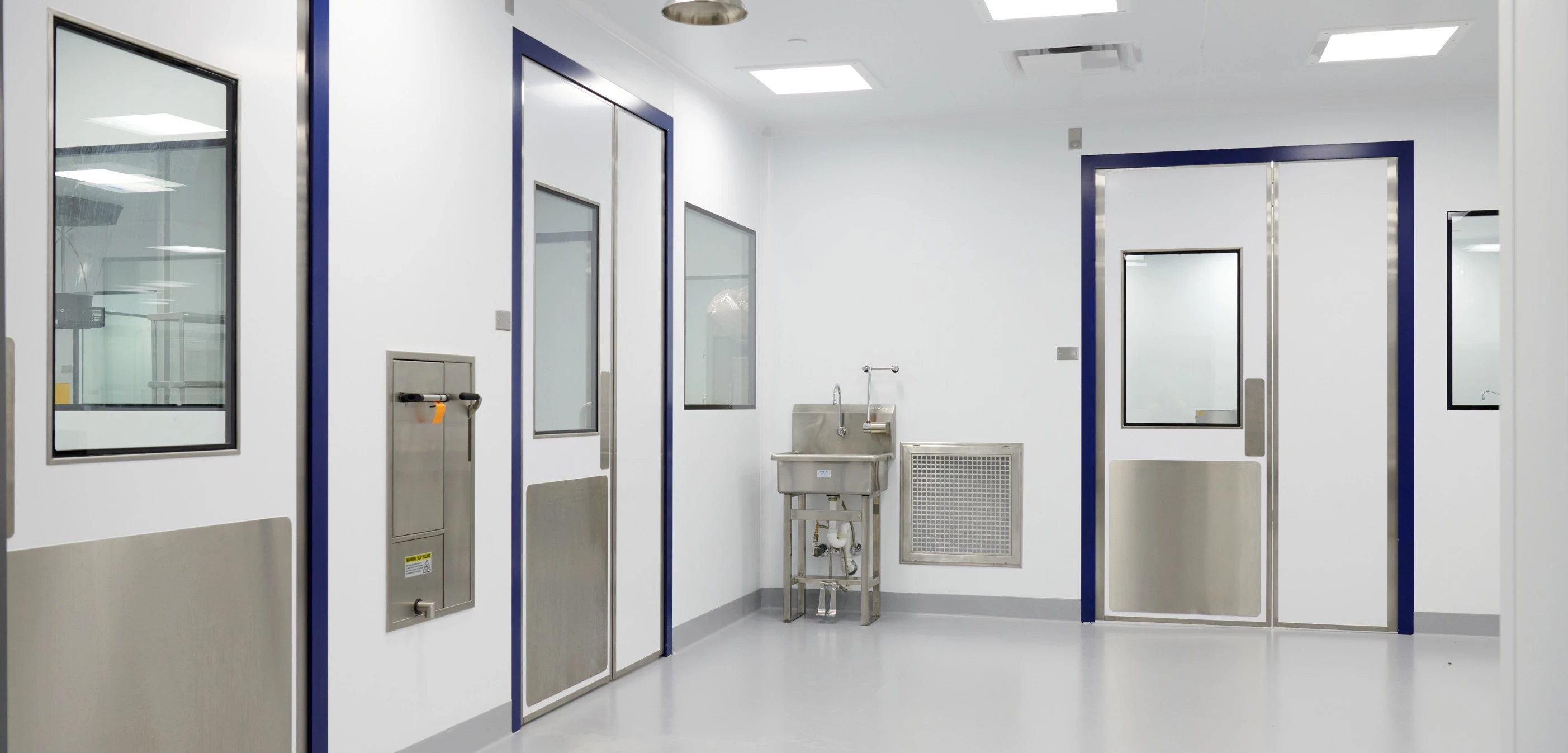
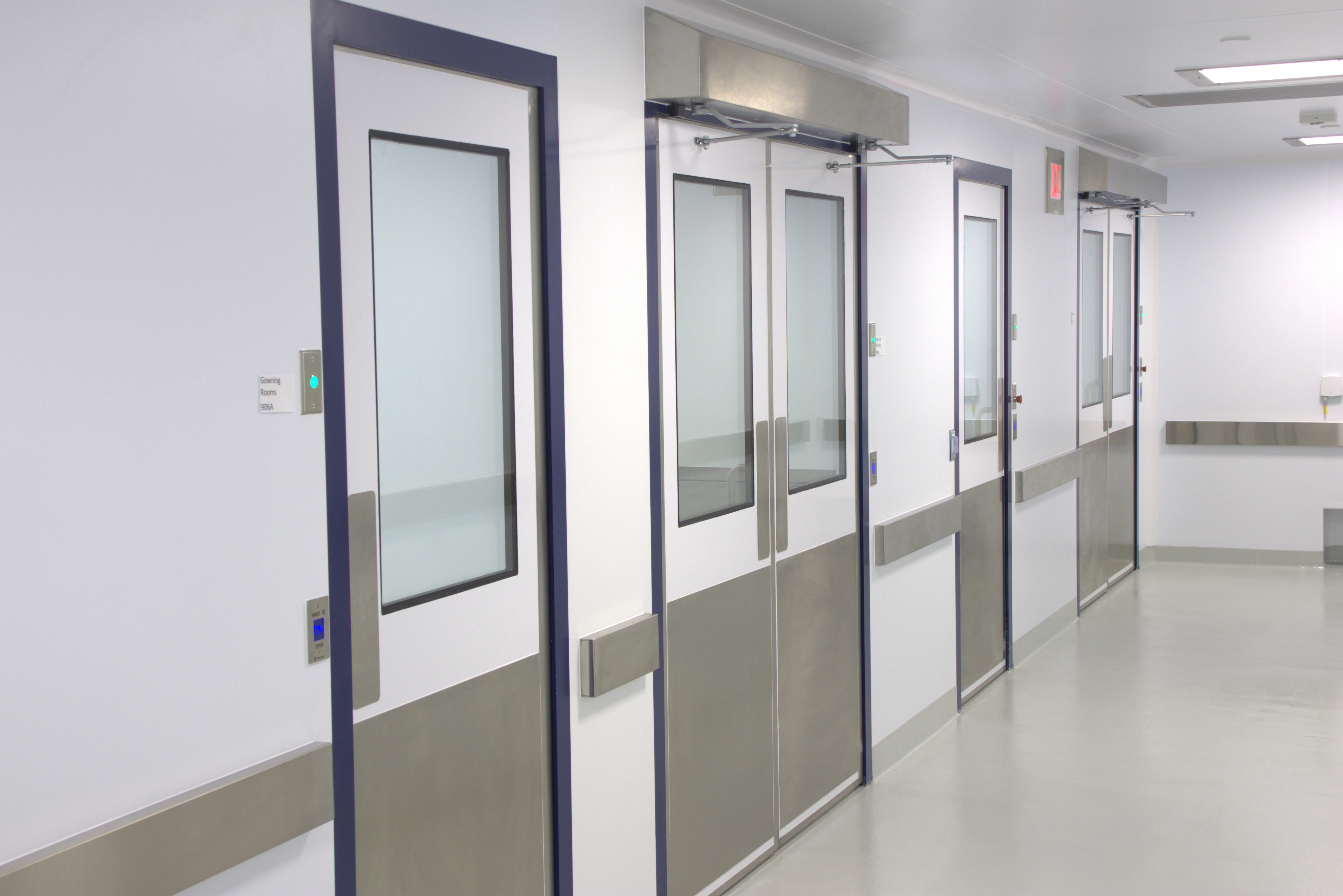
One of the most common statements heard during pharmaceutical capital projects is “we're building a new cleanroom.” On the surface, that sounds perfectly reasonable. In reality, it reflects one of the industry's most fundamental misconceptions.
Companies are not building cleanrooms. They are building businesses.
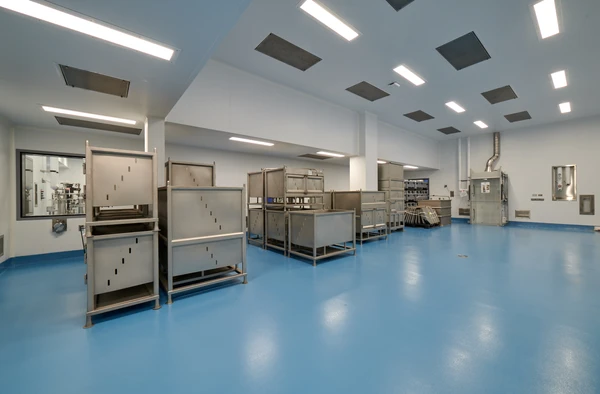
A cleanroom is one component within a much larger manufacturing ecosystem. It provides the controlled environment necessary to support manufacturing, but by itself it produces nothing. Revenue is generated by manufacturing processes. Regulatory approval is earned through validated systems. Patients benefit from consistently manufactured therapies. Investors receive returns from commercial production, not from completed buildings.
Unfortunately, many projects still begin by defining architectural requirements instead of manufacturing requirements. Discussions focus on room classifications, wall systems, HVAC capacity, finishes, and square footage long before fundamental operational questions have been answered:
- How will product move through the facility?
- How will personnel enter and exit manufacturing areas?
- How will waste leave the process?
- How will maintenance occur without disrupting production?
- How will future equipment be added?
- How will process changes affect utilities?
- How will the facility support commercialization five, ten, or fifteen years after startup?
Those questions ultimately determine whether a facility succeeds. The building itself simply supports those answers.
Construction Does Not Begin With Concrete
One of the greatest misconceptions surrounding pharmaceutical capital projects is the belief that construction begins when demolition starts inside an existing facility or when excavation begins on a greenfield site. In reality, construction begins much earlier, during conceptual planning, where the decisions that shape the entire project are made. Whether renovating an active manufacturing facility, expanding an existing operation, or constructing a new campus, the earliest decisions have the greatest impact on cost, schedule, operational performance, and regulatory readiness. Process architecture determines how the facility must function. That process drives equipment selection, which defines utility requirements, environmental controls, automation strategies, and building infrastructure. Those decisions influence constructability, sequencing, commissioning, qualification, and ultimately how quickly the facility can begin producing product.
For many pharmaceutical manufacturers, the greatest challenge is not constructing a new building. It is transforming an existing one while production continues. Renovations and expansions require careful planning to maintain ongoing operations, protect product quality, and minimize disruption to manufacturing activities. Every shutdown window, utility tie-in, equipment installation, and construction sequence must be planned with precision to ensure compliance and business continuity.
When these disciplines are managed independently or introduced too late in the planning process, the consequences quickly become apparent. Design revisions increase. Utility conflicts emerge during construction. Construction schedules become compressed. Qualification activities are delayed. Owners find themselves coordinating multiple consultants, resolving unforeseen conditions, and managing change rather than preparing for operational readiness and commercialization.
Successful pharmaceutical projects are rarely defined by construction alone. They are defined by the quality of the planning that precedes it. By the time demolition begins inside an existing facility or the first concrete is placed on a new site, many of the project's greatest opportunities and its greatest risks have already been determined.
The most successful projects recognize that construction is not an isolated phase of a project. It is the physical execution of hundreds of strategic decisions made months earlier. When planning, design, engineering, construction, commissioning, qualification, and operations are aligned from the beginning, projects move more efficiently, risks are reduced, and facilities reach operational readiness with greater confidence.
The Cost of Fragmented Delivery
Pharmaceutical facilities have traditionally been delivered through sequential models: an architect designs the building, engineers complete detailed engineering, an EPCM firm coordinates procurement and construction, contractors execute the work, and separate firms handle commissioning, qualification, and validation. Each phase hands off to the next.
This approach made sense when projects moved slower and manufacturing technologies changed less frequently. It struggles today. Capital is more expensive, competition is greater, and owners need facilities that move from concept to commercial manufacturing far faster than this model was built to support.
The deeper issue is that responsibility becomes fragmented:
- Engineering firms are responsible for engineering.
- Construction managers are responsible for construction.
- Equipment vendors are responsible for equipment.
- Commissioning firms are responsible for commissioning.
- Qualification consultants are responsible for protocols.
Every organization fulfills its own contract. No one owns commercialization. The owner becomes the systems integrator for a complex network of consultants, contractors, and vendors, where every design change, schedule revision, and decision requires additional coordination and review.
Contract structure compounds the problem. Many engineering and EPCM firms bill on reimbursable, time-based contracts, where compensation naturally increases as scope expands or schedules extend. That is not a matter of poor intent, but it does mean the commercial incentives are not always aligned with the owner's goal of rapid, disciplined, predictable delivery.
A Different Philosophy: Concept to Commercialization
The future of pharmaceutical project delivery is not simply better engineering. It is better integration.
Instead of assembling a project from dozens of independent organizations, owners should consider a model in which a single accountable partner leads the project from initial concept through commercial manufacturing readiness. That responsibility extends well beyond construction. It begins with process planning and includes conceptual design, engineering, procurement, manufacturing, construction, equipment integration, commissioning, qualification support, operational readiness, and startup planning.
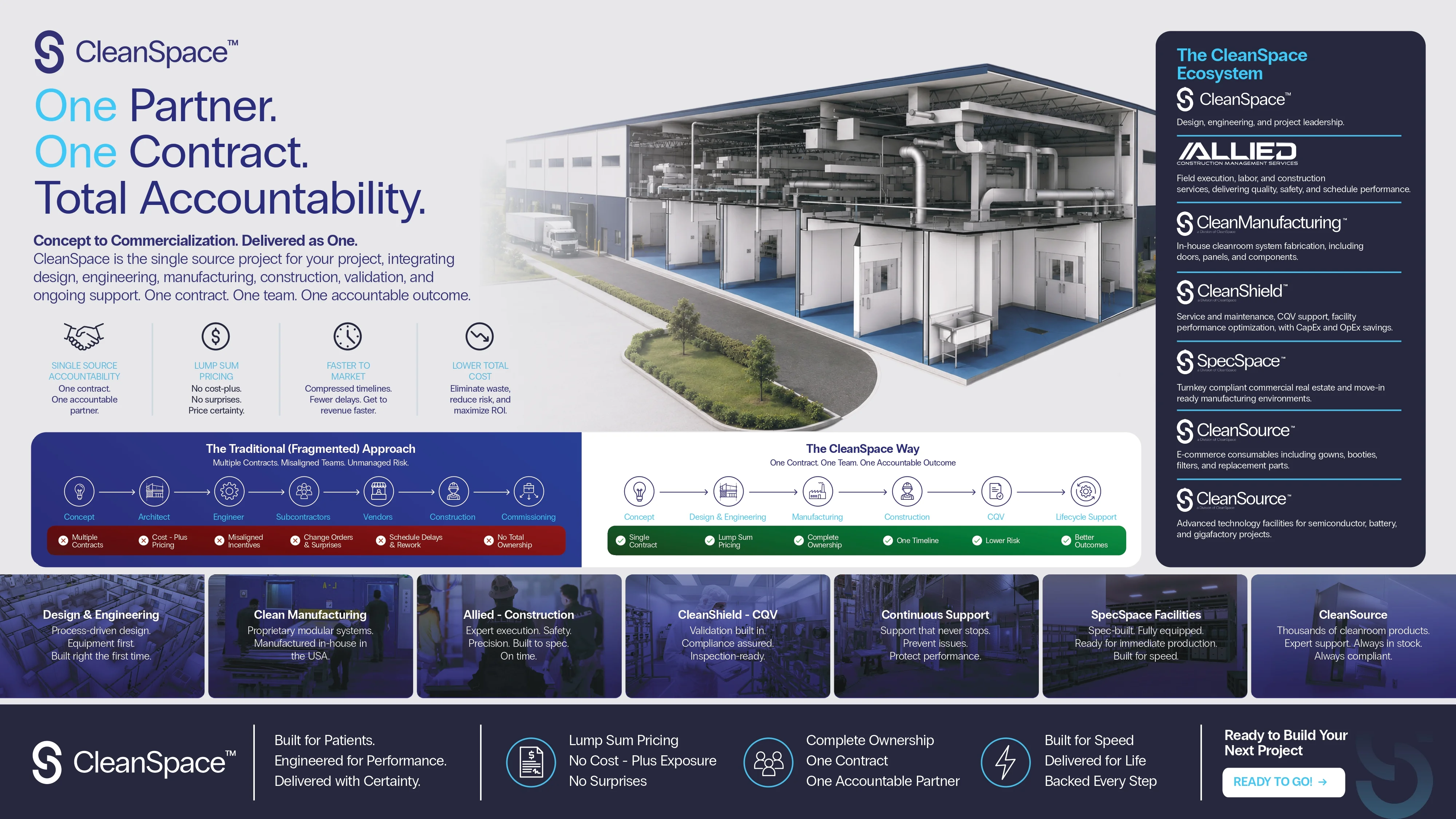
Every discipline is developed simultaneously, and every decision is evaluated based on its impact across the entire facility lifecycle:
- Constructability is considered while engineering is still underway.
- Qualification requirements influence design instead of reacting to completed construction.
- Manufacturing personnel contribute before drawings are finalized.
Operations, maintenance, quality, engineering, and construction function as one integrated team rather than independent organizations exchanging documents. Most importantly, accountability remains clear. One organization owns the outcome.
Designing Around Manufacturing Instead of Buildings
The most successful pharmaceutical facilities are designed from the inside out. Manufacturing defines architecture. Operations define engineering. Product flow defines facility layout. Maintenance requirements influence equipment locations. Qualification strategies influence documentation. Commercial manufacturing drives every design decision.
This approach eliminates much of the redesign commonly encountered during traditional delivery models because decisions are evaluated against operational objectives from the beginning rather than after construction has already progressed. The result is not simply a better building. It is a better manufacturing operation.
This Model Is Already Delivering Results
The integrated approach described in this paper is not theoretical. It is already changing outcomes on real projects.
In Houston, Texas, a confidential biopharma client needed a 22,000-square-foot mission-critical facility, including cleanrooms, labs, office, and warehouse space, to support concurrent gene therapy manufacturing. The project began under a traditional design-bid-build model with a 16-month schedule. By transitioning to an integrated design-build strategy, with a single accountable partner managing design, engineering, MEP, and construction as one continuous scope, the facility was delivered in 11 months, a five-month schedule reduction, while achieving a 25 percent cost reduction through value engineering and the elimination of redundant MEP systems.
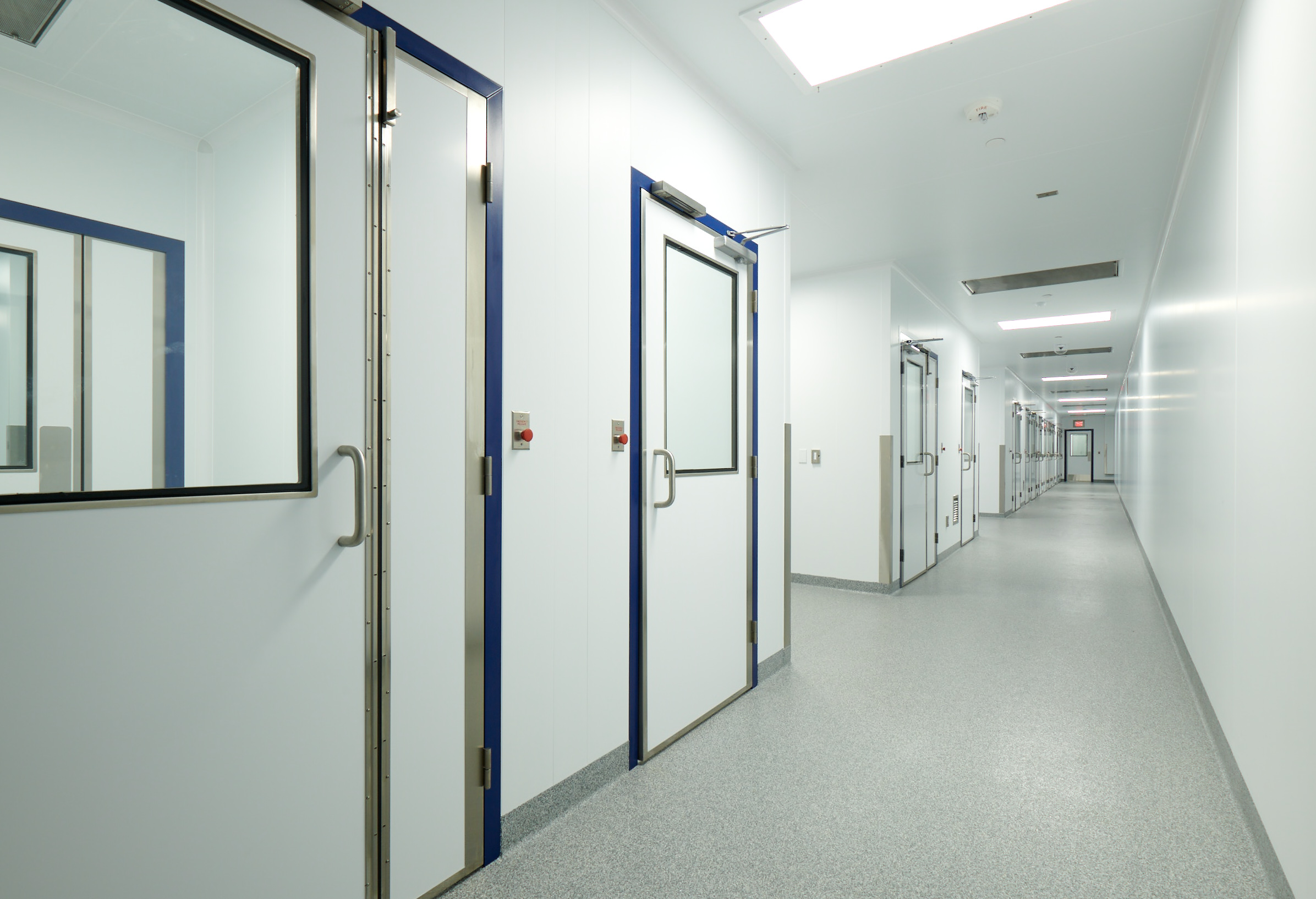
The result was not simply a faster or cheaper project. It was earlier readiness for GMP qualification, validation, and production, and a facility built to support concurrent workflows and future expansion from day one.
This is what happens when planning, design, engineering, construction, and commissioning are treated as one program rather than a sequence of separate contracts. Risk goes down. Schedule certainty goes up. And the owner is left with one point of accountability instead of dozens.
Looking Forward
As therapies become more specialized and manufacturing technologies continue to evolve, project delivery must evolve alongside them. The future belongs to organizations capable of integrating engineering, manufacturing, construction, commissioning, qualification, validation, and operational readiness into one coordinated delivery strategy.
Owners are no longer purchasing buildings. They are investing in manufacturing platforms expected to operate reliably for decades while supporting changing products, evolving regulations, and continuous business growth. The facilities that succeed will not necessarily be those with the largest budgets or the most elaborate architecture. They will be the facilities designed around manufacturing, delivered through integrated accountability, and measured not by the completion of construction, but by the successful commercialization of the products they were built to produce.
That is the difference between building a cleanroom and building a manufacturing business. It is also the difference between completing a construction project and delivering a facility ready to change patients' lives.
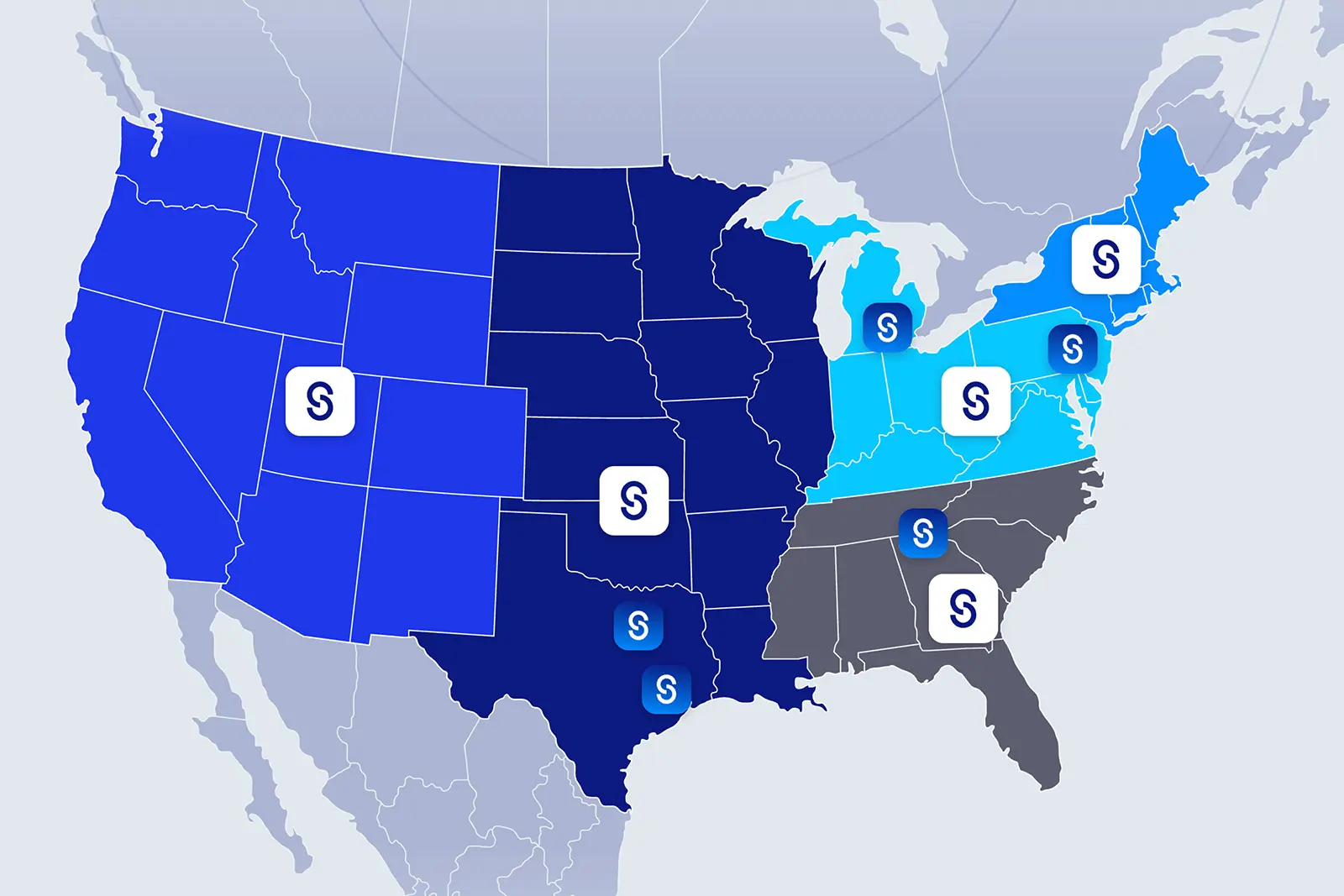
CleanSpace was built around this philosophy: a single, U.S.-based partner delivering concept-to-commercialization projects for cell and gene therapy, biologics, and pharmaceutical manufacturers, with design, engineering, manufacturing, and construction under one roof. For owners evaluating their next facility, that distinction is often the difference between a project that slips and one that ships on time.